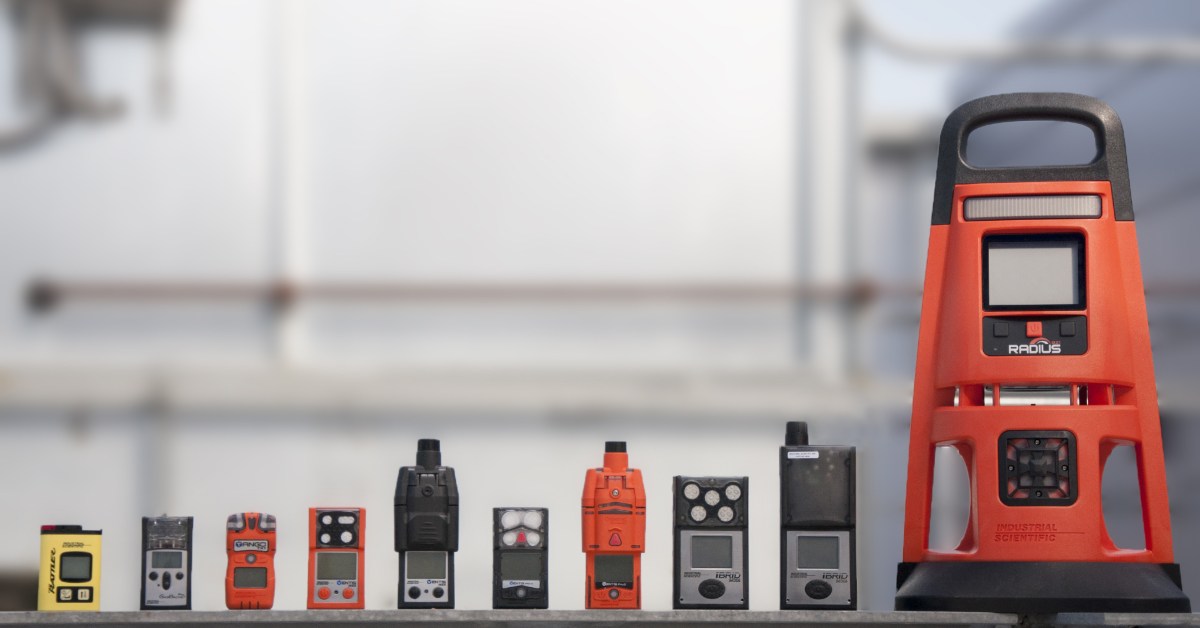
4 gas monitors are used for personal protection in hazardous gas environments where air 4 gas monitor quality may be compromised. Confined spaces can pose a safety risk, as highlighted below:
Industrial Tank: A gas leak detector with a gooseneck is placed in a tank before the worker enters to sniff for any residual combustibles that may have accumulated. When the readings are within safe limits, the worker may enter the tank. They will also carry 4 gas detectors while in the tank to protect from oxygen deficiency and combustible residue.
Plumber/Electrician: Trade workers such as plumbers and electricians sometimes enter confined spaces. Closed spaces in residential and building spaces often do not have proper ventilation, leading to a lack of fresh air. In this case, oxygen deficiency is a major concern and a 4 gas detector is an excellent choice for the worker.
Wastewater/Sewerage: The wastewater industry keeps our sewers and sewerage systems working. When cleaning these areas, workers are often in confined places where biological breakdown may emit combustibles. Along with methane and hydrogen sulfide exposure, wastewater and sewerage spaces may be oxygen deficient. Personal protection using a 4 gas monitor is a wise decision.
Mining: Similar to wastewater, mining also poses the risk of methane and hydrogen sulfide exposure. Carbon monoxide, a toxic gas, may also be present and oxygen levels may be depleted. In these situations, using a 4 gas monitor is a safety necessity.
Can a 4 Gas Monitor Be Used to Detect a Gas Leak?
No, we do not recommend using a 4 gas monitor for pinpointing suspected gas leaks in a pipe, joint, or appliance. A gas leak detector that employs a gooseneck, semiconducting metal oxide sensor, and ppm reading is the most desirable detector for this specific application.
How Do I Select a 4 Gas Monitor?
To select the best 4 gas monitor that serves your purpose, follow this guide. It is important to narrow down your selection by thinking about these questions:
Do I need a built-in pump or probe with the unit?
How often will I use it? What battery capacity do I need?
What is my budget and operating cost budget?
Do I need advanced functions such as data-logging, bluetooth, or printing?
Do I need specific accreditations with the monitor, such as ATEX or a NIST traceability calibration certificate?
Do I require a belt clip for attaching onto my clothes?
Is after sales support, USA headquarters, or fast calibration service required?
Does a standard 4 gas monitor meet my application requirements? Or do I need to custom order a specific 4 gas monitor with other detected gases?
 Site Title
Leave a comment